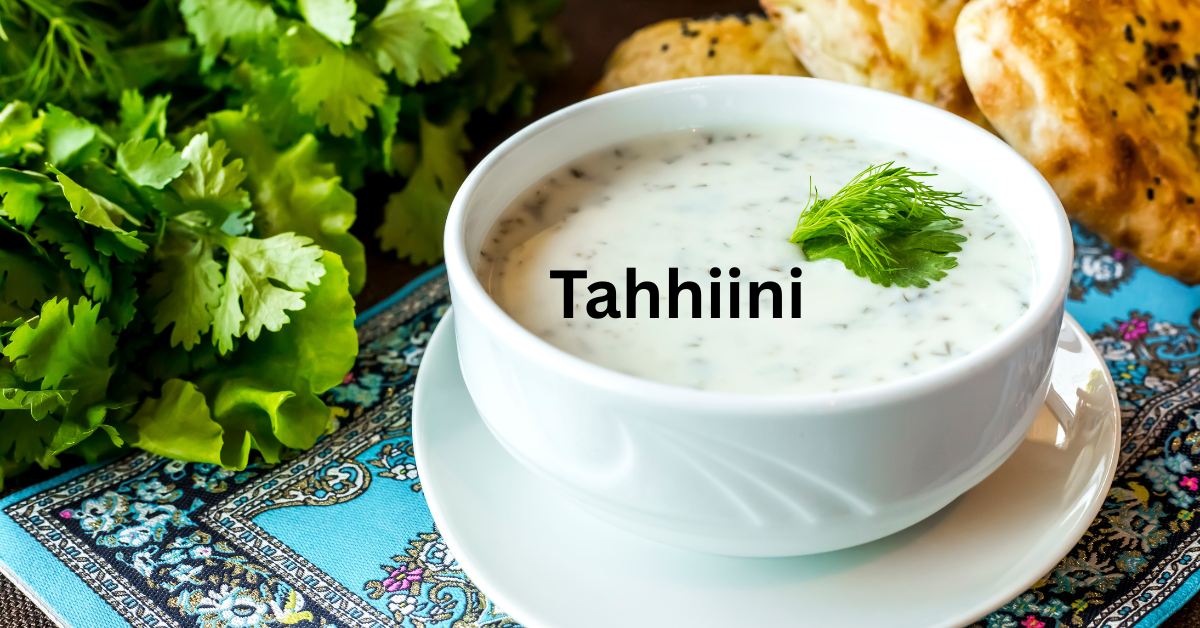
Tahhiini: A Complete Guide to Its Origins, Nutrition, Uses, and Growing Popularity
Tahhiini has gained increasing attention among food enthusiasts, health-conscious consumers, and culinary professionals. While the spelling may vary from the more commonly recognized “tahini,” the term generally refers to the same nutritious sesame seed paste that has been a staple ingredient in Middle Eastern and Mediterranean cuisine for centuries. Its rich texture, distinctive nutty flavor, and impressive nutritional profile have helped it become a popular ingredient worldwide.
As global interest in healthy eating continues to grow, more people are discovering the versatility of this sesame-based food. From savory dips and dressings to sweet desserts and baked goods, Tahhiini has established itself as an ingredient that combines flavor, nutrition, and culinary flexibility.
Important Facts About Tahhiini
| Feature | Details |
|---|---|
| Product Type | Sesame seed paste |
| Primary Ingredient | Ground sesame seeds |
| Traditional Origins | Middle Eastern and Mediterranean regions |
| Flavor Profile | Nutty, creamy, slightly earthy |
| Common Uses | Hummus, sauces, dressings, desserts |
| Key Nutrients | Protein, healthy fats, calcium, iron, magnesium |
| Dietary Suitability | Vegan, vegetarian, dairy-free |
| Storage | Cool, dry place; refrigerate after opening if recommended |
What Is Tahhiini?
Tahhiini is a smooth paste created by grinding sesame seeds until they form a creamy consistency. Depending on the preparation method, manufacturers may use either hulled or unhulled sesame seeds, resulting in slight variations in texture, color, and nutritional content. The product has long been a foundational ingredient in traditional cuisines across the Middle East, North Africa, and parts of Southern Europe.
Historically, sesame seeds have been cultivated for thousands of years and were valued for their oil content and nutritional benefits. The process of transforming these seeds into a paste allowed communities to create versatile sauces, spreads, and cooking ingredients that could be stored and used in numerous dishes.
Today, consumers can find this sesame paste in supermarkets, specialty food stores, and online marketplaces around the world. Its popularity has expanded beyond traditional recipes, making it a common ingredient in modern health-focused cooking.
The History and Cultural Significance of Tahhiini
The roots of Tahhiini can be traced back to ancient civilizations where sesame cultivation played an important role in agriculture and trade. Historical evidence suggests that sesame was grown in regions of the Middle East and Asia thousands of years ago. Over time, different cultures developed methods for processing sesame into oils, pastes, and condiments.
In Middle Eastern cuisine, sesame paste became an essential ingredient in iconic dishes such as hummus and baba ghanoush. These recipes have been passed down through generations and continue to be celebrated globally. The ingredient’s ability to enhance flavor while providing valuable nutrients contributed to its enduring popularity.
Beyond its culinary value, sesame products often hold cultural significance in traditional celebrations, family meals, and regional food customs. This rich heritage has helped preserve the ingredient’s importance even as modern food trends evolve.
Nutritional Value and Health Benefits
One of the main reasons Tahhiini has become increasingly popular is its impressive nutritional composition. Sesame seeds naturally contain healthy fats, plant-based protein, dietary fiber, vitamins, minerals, and beneficial antioxidants. As a result, the paste offers a concentrated source of nutrients in a relatively small serving.
Research on sesame seed nutrition highlights the presence of compounds such as sesamin and sesamol, which are known for their antioxidant properties. These compounds may help support overall wellness when consumed as part of a balanced diet.
Key nutritional benefits include:
Rich source of healthy unsaturated fats
Contains plant-based protein
Provides calcium and magnesium
Supports bone health
Contains iron and zinc
Offers antioxidant compounds
Suitable for vegan and vegetarian diets
Although nutrient-rich, moderation remains important because sesame paste is calorie-dense due to its natural fat content.
Different Types of Tahhiini
Not all sesame pastes are identical. Manufacturers often produce several variations to meet different consumer preferences and culinary applications.
Hulled varieties are made from sesame seeds with the outer shell removed. This process creates a smoother texture and milder flavor that many consumers find appealing. Hulled versions are commonly used in commercial food production and everyday cooking.
Unhulled varieties retain the seed coating, resulting in a stronger flavor and slightly higher fiber content. Some consumers choose these products because they are less processed and may contain additional nutrients.
Additional varieties include:
Roasted sesame paste
Raw sesame paste
Organic options
Stone-ground preparations
Black sesame versions
Each type offers unique flavor characteristics and nutritional differences that can influence recipe outcomes.
Culinary Uses of Tahhiini
The versatility of Tahhiini is one of its greatest strengths. It serves as a foundational ingredient in many traditional dishes while also adapting well to contemporary recipes. Chefs and home cooks appreciate its ability to add richness, creaminess, and depth of flavor.
In savory cooking, it is commonly incorporated into dips, marinades, grain bowls, and salad dressings. When blended with lemon juice, garlic, and water, it creates a smooth sauce that complements vegetables, grilled foods, and sandwiches.
Popular culinary applications include:
Hummus preparation
Baba ghanoush recipes
Salad dressings
Sandwich spreads
Grain bowls
Vegetable sauces
Smoothies
Cookies and baked goods
Halva and confectionery products
The ingredient’s adaptability continues to inspire creative uses in modern kitchens around the world.
How to Select High-Quality Sesame Paste
Consumers interested in purchasing high-quality sesame products should pay attention to several factors. Ingredient lists should ideally contain only sesame seeds without unnecessary additives, fillers, or artificial ingredients.
Texture is another important indicator of quality. Natural oil separation is common and does not necessarily indicate spoilage. Stirring the product before use typically restores a smooth consistency. Fresh products often exhibit a pleasant nutty aroma and balanced flavor.
When comparing products, consider:
Ingredient simplicity
Processing methods
Organic certification
Seed origin
Roasting level
Packaging quality
Freshness indicators
Careful selection helps ensure a better culinary experience and optimal nutritional value.
Storage and Shelf Life
Proper storage plays a crucial role in maintaining freshness and flavor. Most sesame pastes should be stored in a cool, dry location away from direct sunlight. Once opened, some manufacturers recommend refrigeration to extend shelf life and reduce the risk of oil oxidation.
Natural oil separation is expected during storage and can be corrected through thorough stirring. Consumers should always follow manufacturer recommendations regarding storage conditions and expiration dates.
Regular inspection for unusual odors, discoloration, or changes in texture can help determine whether the product remains suitable for consumption.
Why Tahhiini Continues to Grow in Popularity
The growing demand for plant-based foods has contributed significantly to the popularity of Tahhiini. Modern consumers increasingly seek ingredients that offer both nutritional benefits and culinary versatility. Sesame paste meets these expectations by providing healthy fats, protein, and a distinctive flavor profile.
Social media, food blogs, and international cuisine trends have also introduced the ingredient to new audiences. As people explore Mediterranean and Middle Eastern cooking, they often encounter sesame paste as a key component in many authentic recipes.
The combination of cultural heritage, nutritional value, and adaptability ensures that this traditional ingredient remains relevant in contemporary kitchens.
Conclusion
Tahhiini represents far more than a simple sesame seed paste. It is a nutrient-rich ingredient with deep historical roots, significant cultural importance, and remarkable culinary versatility. From traditional Middle Eastern dishes to modern plant-based recipes, it continues to play an important role in global cuisine.
As awareness of healthy eating and international flavors grows, consumers are increasingly recognizing the value of incorporating sesame-based products into their diets. Whether used in savory dishes, sauces, dressings, or desserts, Tahhiini offers a unique combination of flavor, nutrition, and tradition that has stood the test of time.




Post Comment