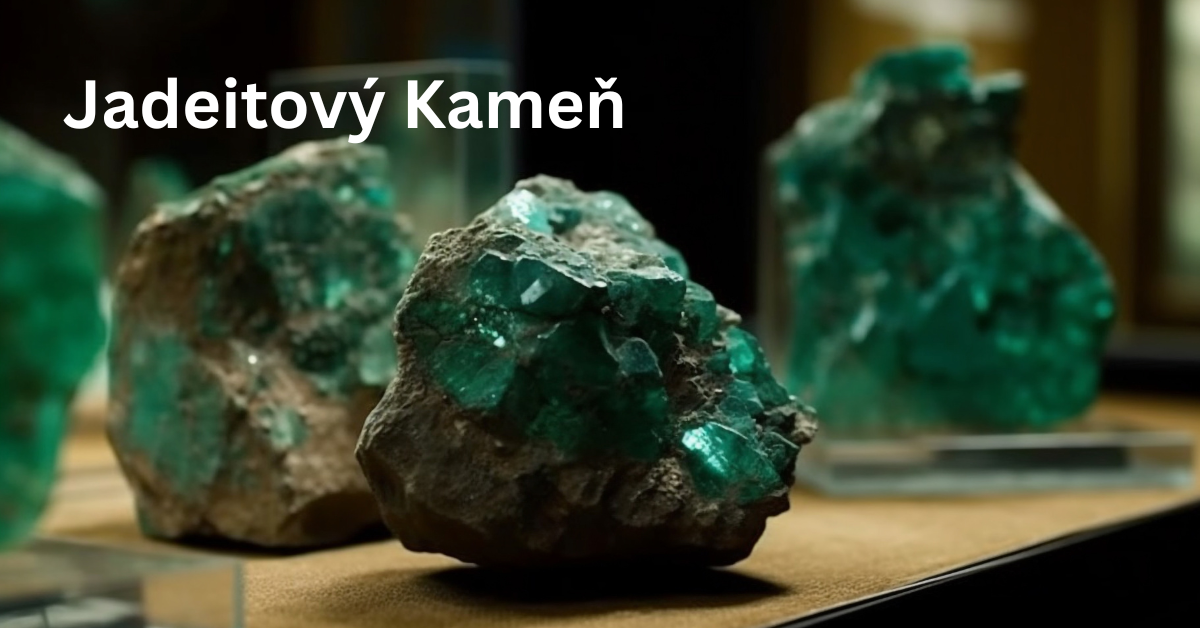
Jadeitový Kameň: A Comprehensive Exploration of Jadeite Stone
The term Jadeitový Kameň, commonly used in Central European languages such as Slovak and Czech, translates to “jadeite stone” in English. This elegant and historically rich mineral belongs to a rare class of gemstones known for their beauty, durability, and deep cultural symbolism. Although often grouped under the general label of “jade,” jadeite is distinct from its counterpart nephrite and holds a more prestigious position in both geological and cultural contexts.
Understanding Jadeite: Definition and Composition
Jadeite is a silicate mineral that belongs to the pyroxene group. Its chemical composition is sodium aluminum silicate (NaAlSi₂O₆), which contributes to its hardness and crystalline structure. Unlike Nephrite, which is softer and more fibrous, jadeite has a granular texture and can achieve a higher degree of translucency.
Despite both minerals being referred to as jade, jadeite is significantly rarer and more valuable. Its unique physical and optical properties set it apart, making it highly desirable among collectors, jewelers, and historians.
Geological Formation and Occurrence
Jadeite forms under very specific geological conditions involving high pressure and relatively low temperature. These conditions are typically found in subduction zones, where one tectonic plate is forced beneath another. The intense pressure and chemical interactions in such environments lead to the crystallization of jadeite.
Major deposits of jadeite are found in:
- Myanmar – the world’s most renowned source, particularly for high-quality “Imperial Jade”
- Guatemala – historically significant for ancient civilizations
- Japan – known for smaller deposits
- Russia – with occurrences in Siberian regions
Among these, Myanmar remains the dominant supplier of premium jadeite, producing stones of exceptional color and clarity.
Physical and Optical Characteristics
Jadeite is valued for a range of aesthetic and physical properties:
Color Spectrum
Jadeite occurs in a wide variety of colors, including green, lavender, white, yellow, orange, red, brown, and black. The most prized color is a vivid emerald green known as “Imperial Jade.” Lavender jadeite is also highly sought after for its delicate and unique hue.
Transparency
High-quality jadeite exhibits translucency, allowing light to pass through the stone to varying degrees. This property enhances its visual appeal and contributes significantly to its value.
Hardness and Toughness
With a hardness of 6.5 to 7 on the Mohs scale, jadeite is relatively durable. However, its toughness—resistance to breaking—is moderate compared to nephrite, which is known for its exceptional toughness.
Luster
The surface of polished jadeite displays a smooth, waxy to vitreous (glass-like) luster, adding to its refined appearance.
Historical and Cultural Significance
Jadeite has played an important role in human history, particularly in Asia and Central America.
Chinese Civilization
In ancient Chinese civilization, jade was considered the “Stone of Heaven.” It symbolized virtues such as purity, wisdom, courage, and compassion. Jadeite, introduced later than nephrite, quickly became a symbol of wealth and status, especially during the Qing Dynasty. It was used in imperial ornaments, ceremonial objects, and intricate carvings.
Mesoamerican Civilizations
In Mesoamerican civilizations, including the Maya and Aztec cultures, jadeite held even greater value than gold. It was associated with life, fertility, and power. Jade artifacts such as masks, beads, and figurines were used in rituals and buried with the elite.
Artistic and Decorative Uses
Jadeite’s fine texture and vibrant colors make it an ideal material for artistic expression. Skilled artisans carve jadeite into a wide range of objects, including:
- Jewelry such as rings, pendants, bracelets, and earrings
- Sculptures and figurines depicting animals, deities, and symbolic motifs
- Decorative items like vases, seals, and plaques
The carving of jadeite requires precision and expertise due to its hardness and value. Traditional carving techniques are still practiced today, preserving centuries-old craftsmanship.
Symbolism and Spiritual Beliefs
Across different cultures, jadeite is believed to possess metaphysical properties. While these beliefs vary, common associations include:
- Protection: Jadeite is thought to ward off negative energy and bring safety to the wearer
- Harmony: It is believed to balance emotional and physical well-being
- Prosperity: Often associated with good fortune and success
- Longevity: In some traditions, jade is linked to health and long life
These symbolic meanings have contributed to jadeite’s enduring popularity beyond its physical beauty.
Jadeite vs. Nephrite: A Clear Distinction
Although both are called jade, jadeite and nephrite differ significantly:
- Composition: Jadeite is a sodium aluminum silicate, while nephrite is a calcium magnesium silicate
- Structure: Jadeite has a granular structure; nephrite is fibrous
- Color Range: Jadeite offers more vibrant and varied colors
- Value: Jadeite is generally more valuable due to its rarity and aesthetic qualities
Understanding this distinction is essential for collectors and buyers, as the two minerals differ in both price and desirability.
Quality Assessment and Market Value
The value of jadeite is determined by several key factors:
Color
The most important factor. Bright, even, and saturated colors—especially green—are highly prized.
Clarity and Transparency
More translucent stones are considered superior.
Texture
Fine-grained, smooth textures enhance both appearance and durability.
Craftsmanship
In carved pieces, the skill and detail of the work significantly affect value.
Treatment
Untreated jadeite (often referred to as “Type A”) is the most valuable. Treated stones (Types B and C) are less desirable.
High-quality jadeite can command extremely high prices in international markets, particularly at auctions and luxury jewelry outlets.
Treatments and Imitations
Due to its high value, jadeite is often subject to treatments aimed at improving its appearance:
- Bleaching and polymer impregnation to enhance clarity
- Dyeing to intensify or alter color
Such treatments reduce the stone’s authenticity and value.
Imitations are also common and may include materials like glass, dyed quartz, or serpentine. Distinguishing genuine jadeite from imitations often requires expert analysis and laboratory testing.
Ethical and Environmental Considerations
The extraction of jadeite, particularly in regions like Myanmar, has raised concerns about environmental degradation and labor practices. Mining operations can impact local ecosystems and communities. As awareness grows, there is increasing demand for ethically sourced jadeite and greater transparency in the supply chain.
Conclusion
Jadeitový Kameň, or jadeite stone, stands as one of the most fascinating and revered minerals in the world. Its rarity, striking beauty, and deep cultural roots make it far more than just a decorative gemstone. From ancient civilizations to modern collectors, jadeite continues to captivate with its elegance and symbolism.
Understanding jadeite requires an appreciation of its geological origins, physical properties, and historical significance. Whether admired in a museum, worn as jewelry, or studied as a mineral, jadeite remains a timeless testament to nature’s artistry and humanity’s enduring fascination with precious stones.



Post Comment