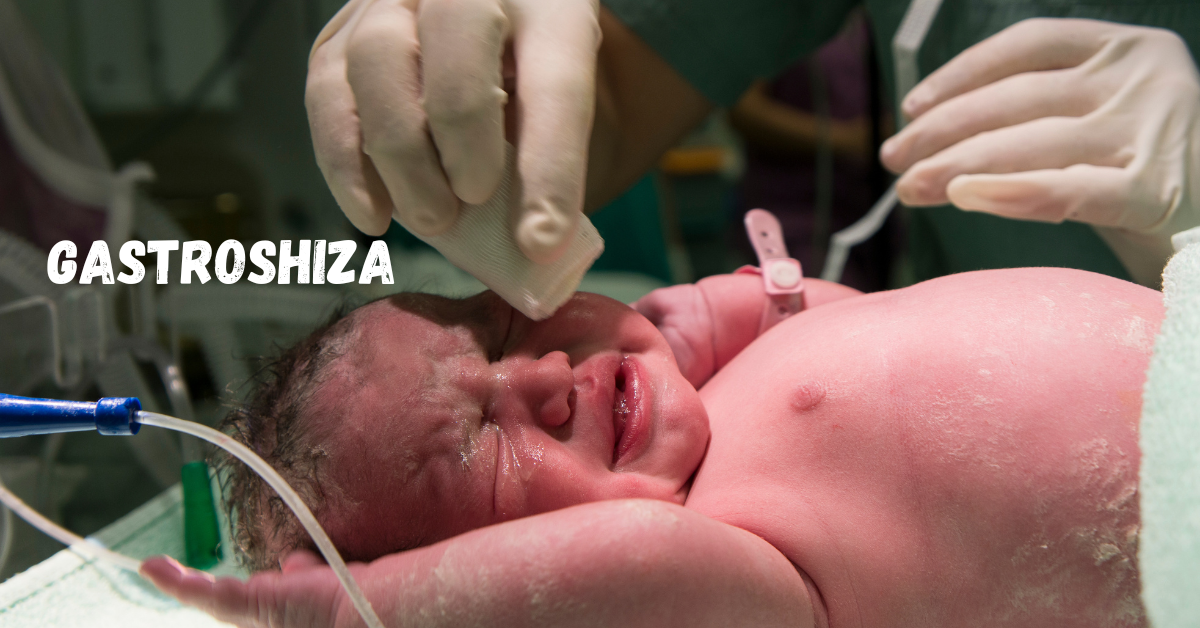
Gastroshiza (Gastroschisis): A Detailed Medical Overview
Gastroschisis is a rare but serious congenital condition that affects newborns. It is characterized by a defect in the abdominal wall, through which the baby’s intestines—and occasionally other organs—protrude outside the body. Unlike some related conditions, the exposed organs are not covered by a protective membrane, making them vulnerable to irritation and damage.
Over the past few decades, advances in prenatal diagnosis and neonatal care have significantly improved the survival rate and long-term outcomes for infants born with this condition. However, gastroschisis remains a complex medical issue requiring prompt surgical intervention and specialized care.
Understanding the Condition
In a healthy fetus, the abdominal wall develops and closes during early pregnancy, enclosing the intestines and other organs within the body. In gastroschisis, this process is incomplete. A small opening—usually located to the right of the umbilical cord—remains, allowing the intestines to extend outside the fetus’s body into the amniotic fluid.
Because the intestines are exposed without any protective covering, they are directly affected by the surrounding environment. This exposure can lead to inflammation, thickening, and dysfunction of the bowel.
Causes and Risk Factors
The exact cause of gastroschisis is not fully understood, but it is believed to result from a disruption in blood flow to the developing abdominal wall during early fetal growth.
Common risk factors include:
Young maternal age, particularly mothers under 20 years old
Smoking during pregnancy
Alcohol or illicit drug use
Poor maternal nutrition
Exposure to certain environmental toxins
Possible genetic susceptibility (though not strongly inherited)
It is important to note that many cases occur in pregnancies with no identifiable risk factors, indicating that the condition is likely multifactorial.
Diagnosis
Prenatal Diagnosis
Gastroschisis is often detected during routine prenatal care. The most common methods include:
Ultrasound imaging: Typically performed around the 18th to 20th week of pregnancy, it can clearly show intestines floating outside the fetus’s abdomen.
Maternal blood tests: Elevated levels of alpha-fetoprotein (AFP) may indicate an abdominal wall defect.
Early diagnosis allows healthcare providers to plan for specialized care during delivery.
Postnatal Diagnosis
At birth, gastroschisis is immediately visible. The newborn presents with intestines outside the body, usually on the right side of the umbilical cord. No additional diagnostic procedures are typically needed to confirm the condition.
Associated Complications
Gastroschisis can lead to several complications due to prolonged exposure of the intestines to amniotic fluid.
Potential complications include:
Bowel inflammation and swelling
Reduced intestinal function
Intestinal atresia (blockage or absence of a segment)
Difficulty absorbing nutrients
Feeding intolerance
Risk of infection
Dehydration and electrolyte imbalance
In severe cases, damage to the intestines may result in long-term digestive problems.
Treatment and Surgical Management
Gastroschisis requires prompt surgical intervention after birth. The goal of treatment is to return the exposed organs to the abdominal cavity and close the opening in the abdominal wall.
Surgical Approaches
Primary Repair
If the baby’s condition allows, surgeons may perform a single operation shortly after birth. The intestines are placed back inside the abdomen, and the opening is closed.
Staged Repair (Silo Technique)
In many cases, the intestines are too swollen to fit back into the abdomen immediately. A sterile pouch, known as a “silo,” is placed over the organs. Over several days, the intestines are gradually guided back into the abdomen before final closure.
Postoperative Care
After surgery, newborns typically require intensive care in a neonatal intensive care unit (NICU).
Key aspects of care include:
Mechanical ventilation if needed
Intravenous nutrition (parenteral nutrition)
Gradual introduction of feeding
Monitoring for infection or complications
Pain management and supportive care
Recovery time varies depending on the severity of the condition and the presence of complications.
Long-Term Outlook
With modern medical advancements, the survival rate for infants with gastroschisis exceeds 90% in well-equipped healthcare systems.
Long-term outcomes:
Many children grow and develop normally
Some may experience mild digestive issues
A small percentage may have chronic intestinal problems
Growth delays may occur but often improve over time
Regular follow-up care is essential to monitor development and nutritional status.
Prevention and Maternal Care
There is no guaranteed way to prevent gastroschisis, but certain measures may reduce risk:
Avoid smoking, alcohol, and drug use during pregnancy
Maintain a balanced and nutritious diet
Attend regular prenatal checkups
Follow medical guidance regarding medications
Ensure proper prenatal supplementation, such as folic acid
Public health awareness and early prenatal care play a crucial role in improving outcomes.
Differences from Similar Conditions
Gastroschisis is often confused with Omphalocele, another abdominal wall defect.
Key differences:
In gastroschisis, organs are exposed without a covering
In omphalocele, organs are enclosed in a protective sac
Omphalocele is more commonly associated with genetic abnormalities
Gastroschisis typically occurs in otherwise healthy infants
Understanding these differences is important for diagnosis and treatment planning.
Conclusion
“Gastroshiza,” more accurately known as gastroschisis, is a complex congenital condition that requires immediate medical attention and surgical care. Despite its severity, advances in prenatal diagnosis, surgical techniques, and neonatal care have dramatically improved survival rates and long-term outcomes.
Early detection, specialized medical support, and comprehensive follow-up care are essential to ensuring the best possible quality of life for affected children. Continued research into the causes and prevention of gastroschisis will further enhance our ability to manage and reduce the impact of this condition in the future.



Post Comment