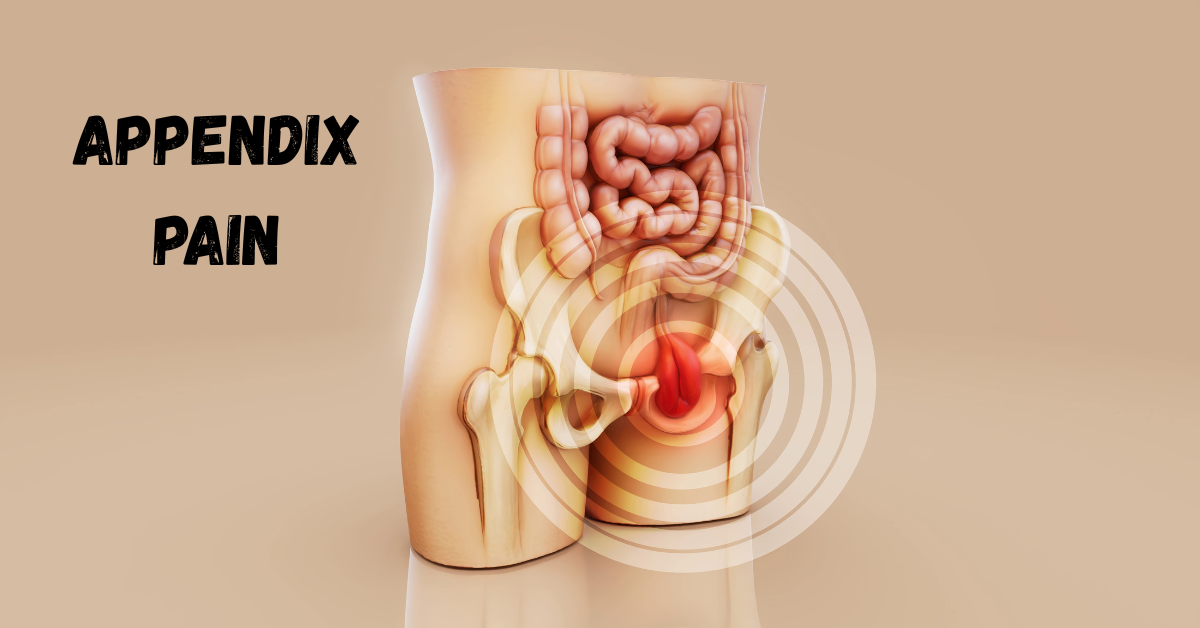
Appendix Pain: A Detailed and Informative Guide
Appendix pain is a medical concern that often signals a condition requiring urgent attention. While many people experience abdominal discomfort at some point, pain associated with the appendix is distinct in its progression, intensity, and potential danger. Understanding this type of pain—its causes, symptoms, diagnosis, and treatment—can help individuals recognize when to seek medical care and prevent serious complications.
Understanding the Appendix
The appendix is a small, finger-shaped pouch attached to the large intestine, located in the lower right side of the abdomen. Although once considered a vestigial organ with no clear function, recent research suggests it may play a minor role in supporting the immune system, particularly in maintaining gut bacteria.
When the appendix becomes inflamed or infected, the condition is known as Appendicitis, and the resulting discomfort is referred to as appendix pain.
What Causes Appendix Pain?
Appendix pain usually arises when the appendix becomes blocked, leading to inflammation and infection. Several factors can contribute to this blockage:
Hardened stool (fecalith): A common cause that obstructs the opening of the appendix
Infections: Viral or bacterial infections in the digestive tract can cause swelling
Enlarged lymphoid tissue: Often seen in children and young adults
Parasites: Rare but possible contributors
Tumors: Extremely rare, but can block the appendix
Once blocked, bacteria multiply rapidly inside the appendix, causing swelling, increased pressure, and eventually pain.
How Appendix Pain Develops
Appendix pain follows a fairly characteristic pattern:
Initial discomfort: Pain begins around the navel (belly button)
Pain migration: Within hours, the pain shifts to the lower right abdomen
Intensification: Pain becomes sharp, localized, and more severe
Sensitivity: Movement, coughing, or even slight pressure worsens the pain
This progression is one of the key features that distinguishes appendix pain from other types of abdominal discomfort.
Common Symptoms of Appendix Pain
While pain is the most prominent symptom, appendicitis often presents with a combination of signs:
Core Symptoms
Sudden abdominal pain that worsens over time
Loss of appetite
Nausea and vomiting
Low-grade fever
Additional Symptoms
Swelling or bloating of the abdomen
Constipation or diarrhea
Inability to pass gas
Increased pain when walking or moving
Symptoms can vary depending on age, gender, and overall health. For example, pregnant women may experience pain higher in the abdomen, while young children may have more generalized discomfort.
When Appendix Pain Becomes Dangerous
If left untreated, appendicitis can progress to a life-threatening stage. The most serious complication is a ruptured appendix, which can occur within 24 to 72 hours after symptoms begin.
A rupture releases infectious material into the abdominal cavity, leading to Peritonitis. This condition requires immediate emergency treatment and can be fatal if not addressed promptly.
Signs of a possible rupture include:
Sudden relief of pain followed by worsening overall condition
High fever
Severe abdominal tenderness
Rapid heart rate
Diagnosing Appendix Pain
Diagnosing appendicitis can be challenging because its symptoms overlap with other conditions. Healthcare providers typically use a combination of methods:
Physical Examination
Doctors check for tenderness in the lower right abdomen and may perform specific tests to assess pain response.
Laboratory Tests
Blood tests: Elevated white blood cell count indicates infection
Urine tests: Helps rule out urinary tract issues
Imaging Techniques
Ultrasound: Often used in children and pregnant women
CT scan: Highly accurate in confirming appendicitis
MRI: Alternative imaging option when radiation is a concern
Treatment Options
Surgical Removal (Appendectomy)
The most common and effective treatment for appendicitis is surgical removal of the appendix, known as an appendectomy.
There are two main types:
Open appendectomy: Involves a single larger incision
Laparoscopic appendectomy: Uses small incisions and a camera, resulting in faster recovery
Antibiotic Therapy
In some mild or early cases, antibiotics may be used to control infection. However, surgery is usually recommended to prevent recurrence.
Recovery and Aftercare
Recovery depends on the severity of the condition:
Uncomplicated cases: Most patients recover within 1 to 3 weeks
Ruptured appendix: Longer recovery with hospitalization and intensive care
Post-surgery care includes:
Avoiding heavy physical activity
Keeping the surgical site clean
Following prescribed medications
Attending follow-up appointments
Conditions That Mimic Appendix Pain
Appendix pain can sometimes be mistaken for other medical conditions, such as:
Gastroenteritis (stomach infection)
Kidney stones
Urinary tract infections
Ovarian cysts (in women)
Irritable bowel syndrome
Because of these similarities, professional medical evaluation is essential for an accurate diagnosis.
Risk Factors
Certain factors may increase the likelihood of developing appendicitis:
Age (most common between 10 and 30 years)
Family history
Low-fiber diet
Gastrointestinal infections
Although anyone can develop appendix pain, these factors may slightly raise the risk.
Can Appendix Pain Be Prevented?
There is no guaranteed way to prevent appendicitis. However, maintaining a healthy digestive system may reduce risk:
Eating a fiber-rich diet (fruits, vegetables, whole grains)
Staying hydrated
Practicing good hygiene to avoid infections
While these steps are beneficial for overall health, they do not eliminate the possibility of appendix-related issues.
Conclusion
Appendix pain is more than just ordinary abdominal discomfort—it is often a warning sign of a serious medical condition. What begins as mild pain near the navel can quickly escalate into a severe and potentially life-threatening emergency.
Recognizing the symptoms early and seeking prompt medical care can make a critical difference. With timely diagnosis and treatment, most people recover fully without complications. However, ignoring the signs or delaying treatment can lead to severe outcomes.
In matters of appendix pain, quick action is not just advisable—it is essential.



Post Comment