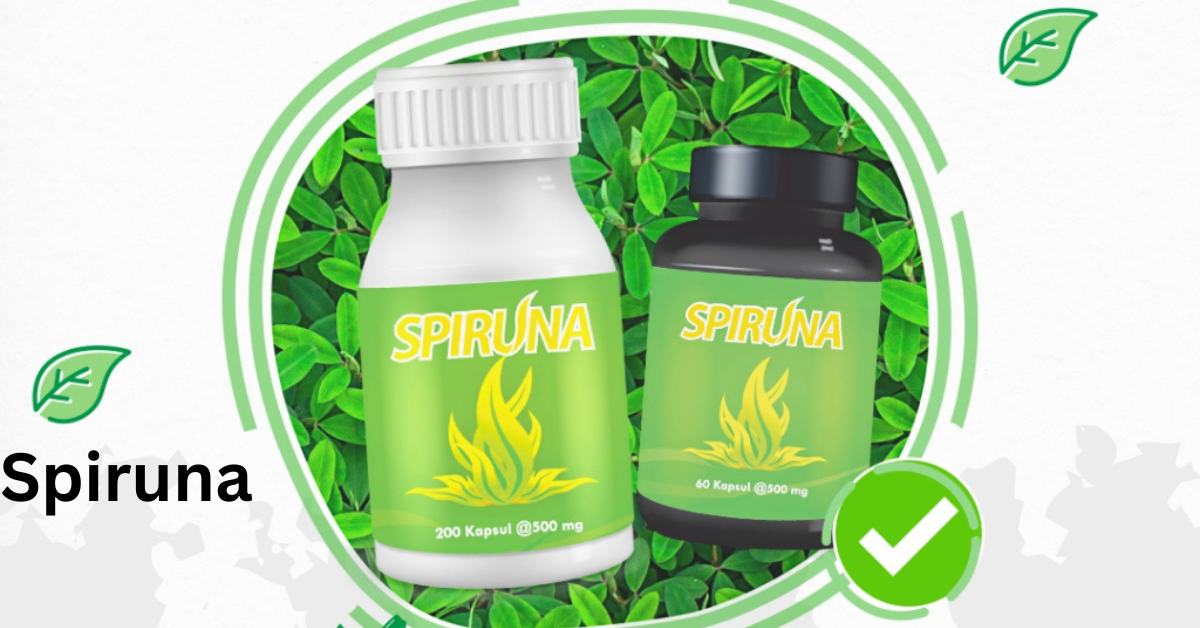
Spiruna: Complete Guide to Its Meaning, Benefits, Uses, and Facts
The spiruna is uncommon and does not currently refer to a widely recognized product, scientific term, or commercial brand. In most cases, it is interpreted as a misspelling of spirulina, a nutrient-rich blue-green algae that has gained worldwide recognition as a dietary supplement. Because search engines and health resources consistently associate the spelling “spiruna” with spirulina, this article explains the topic from that perspective while maintaining accuracy and transparency.
Whether you encountered the term while searching online or saw it mentioned in a product listing, understanding the intended meaning is important. This guide provides evidence-based information about nutrition, health benefits, safety, cultivation, and frequently asked questions to help readers make informed decisions.
What Is Spiruna?
Spiruna is generally understood to be an alternate spelling or typographical variation of spirulina, a natural cyanobacterium cultivated as a nutritional supplement. It has been consumed for decades because of its exceptional nutrient density and sustainable production methods. Scientists classify spirulina as an edible microorganism that grows naturally in warm, alkaline water and is commercially farmed in controlled environments around the world.
Although the spelling differs, most online searches for this keyword lead users to information about spirulina products, nutritional supplements, and health-related resources. Since no authoritative scientific source recognizes “spiruna” as a separate substance, it is best understood in the context of spirulina.
History and Origin
The use of spirulina dates back centuries. Historical records indicate that communities around Lake Chad in Africa harvested it as a food source, while the Aztecs collected similar algae from Lake Texcoco in present-day Mexico. These traditional practices demonstrated its value as a naturally nutrient-rich food long before modern dietary supplements became popular.
Commercial cultivation began during the twentieth century as researchers recognized its impressive nutritional profile. Today, spirulina farms operate across Asia, Europe, Africa, and the Americas using carefully monitored cultivation systems that maintain product quality and safety.
Nutritional Profile
One of the main reasons people search for spiruna is its outstanding nutritional composition. Spirulina contains numerous vitamins, minerals, antioxidants, and plant-based protein, making it one of the most nutrient-dense natural foods available.
A typical serving may provide:
High-quality complete protein
Iron and magnesium
Vitamin B1 (Thiamine)
Vitamin B2 (Riboflavin)
Vitamin B3 (Niacin)
Beta-carotene
Chlorophyll
Phycocyanin antioxidants
Essential amino acids
Its nutrient concentration explains why it is commonly included in smoothies, nutrition powders, capsules, and functional foods.
Health Benefits of Spiruna
Research suggests that spirulina may support overall wellness when incorporated into a balanced diet. Its naturally occurring antioxidants help protect cells against oxidative stress caused by free radicals. These antioxidant compounds, especially phycocyanin, have attracted scientific interest for their potential health-promoting properties.
Studies also indicate that spirulina may contribute to cardiovascular wellness by supporting healthy cholesterol and triglyceride levels in some individuals. While results vary among studies, maintaining a nutrient-rich diet that includes quality supplements may support long-term health.
Additional areas where spirulina has shown potential include immune support, improved nutritional intake, and enhanced energy levels. However, these benefits should not be interpreted as guaranteed outcomes, and supplements should never replace professional medical treatment.
How Spiruna Is Produced
Commercial spirulina cultivation takes place in shallow ponds or enclosed production systems where temperature, sunlight, water quality, and nutrient levels are carefully controlled. After harvesting, the biomass is filtered, washed, dried at low temperatures, and processed into powder, tablets, or capsules.
Quality manufacturers regularly test their products for contaminants such as heavy metals, harmful bacteria, and naturally occurring toxins. Purchasing supplements from reputable producers helps ensure both purity and nutritional quality.
Common Uses
Consumers purchase spiruna products for a variety of nutritional purposes. Because of its versatility, it is found in many health foods and dietary supplements worldwide.
Popular uses include:
Daily nutritional supplementation
Protein enrichment for vegetarian diets
Smoothies and protein shakes
Green superfood powders
Energy drinks
Functional nutrition products
Fitness meal plans
Many athletes, vegans, and health-conscious consumers appreciate spirulina because it provides concentrated nutrition in relatively small servings.
Safety and Possible Side Effects
Most healthy adults tolerate spirulina well when consumed in recommended amounts. Nevertheless, individuals should purchase products from trusted manufacturers because poor-quality supplements may contain contaminants if harvested from polluted water sources.
Some users may experience mild digestive discomfort, nausea, or stomach upset when first introducing spirulina into their diets. People with autoimmune disorders, phenylketonuria (PKU), or those taking medications that affect immune function should consult a qualified healthcare professional before using any dietary supplement.
Pregnant or breastfeeding women should also seek medical advice before beginning supplementation, as research in these populations remains limited.
How to Choose a High-Quality Product
Not every supplement available on the market meets the same quality standards. Reading labels and purchasing from reputable companies can reduce the risk of contamination while ensuring consistent nutritional value.
Consider the following when selecting a product:
Third-party quality testing
Transparent ingredient labeling
Certified manufacturing standards
Heavy metal testing
Reputable manufacturer
Clear dosage instructions
Positive customer reputation
These factors help consumers make informed purchasing decisions while prioritizing product safety.
Important Facts About Spiruna
| Feature | Details |
|---|---|
| Common Interpretation | Alternative spelling of Spirulina |
| Scientific Classification | Edible cyanobacteria (Arthrospira species) |
| Natural Habitat | Warm alkaline lakes |
| Commercial Forms | Powder, tablets, capsules |
| Primary Nutrients | Protein, iron, vitamins, antioxidants |
| Main Antioxidant | Phycocyanin |
| Common Users | Athletes, vegetarians, vegans, health-conscious consumers |
| Major Uses | Nutritional supplementation and functional foods |
| Safety | Generally safe when sourced from reputable manufacturers |
| Global Availability | Widely sold worldwide |
Conclusion
Spiruna is widely understood to refer to spirulina, a nutrient-dense blue-green algae valued for its high protein content, vitamins, minerals, and antioxidant compounds. Although the keyword itself is uncommon, the underlying topic is supported by decades of nutritional research and widespread commercial use. When sourced from reputable manufacturers, spirulina can serve as a valuable addition to a balanced diet, though it should complement—not replace—healthy eating habits and professional medical advice.
By understanding its nutritional profile, production methods, safety considerations, and potential benefits, consumers can make informed decisions about whether spirulina products fit their personal health goals.




Post Comment