Emfyteymata: Meaning, History, Legal Significance, and Modern Applications
Emfyteymata is a Greek term with deep historical roots and multiple modern meanings. While many people today associate it with medical implants because of its usage in Modern Greek, the word also has an important place in legal history through the concept of emphyteusis, a long-term land tenure system developed during the Roman Empire. Understanding the context in which the term is used is essential because its meaning changes depending on the field of discussion.
Today, the word appears in law, medicine, linguistics, philosophy, and historical studies. Its versatility reflects centuries of linguistic evolution while preserving the core idea of something that is “implanted” or firmly established. This article explores the origins, historical development, legal importance, and contemporary relevance of Emfyteymata through an evidence-based and authoritative perspective.
What Does Emfyteymata Mean?
The word Emfyteymata originates from the Greek language (εμφυτεύματα), where it literally translates to “things that are implanted” or “implants.” It derives from the Greek verb emfytevo, meaning “to plant,” “to implant,” or “to graft.” The original concept referred to objects or living things placed firmly into another surface, whether soil, the human body, or a broader metaphorical setting.
Over the centuries, this fundamental meaning expanded into several disciplines. In legal terminology, it became connected with permanent rights to cultivate land. In medicine, it evolved to describe artificial devices placed within the body. Philosophically, it symbolizes deeply rooted ideas, traditions, and beliefs that become part of individual or collective identity.
The adaptability of the term demonstrates how language evolves while preserving its original conceptual foundation. Whether discussing property rights or modern healthcare, the underlying principle remains the same: something intentionally established to serve a lasting purpose.
Historical Origins of Emfyteymata
The earliest origins of Emfyteymata can be traced to Ancient Greek civilization, where agriculture played a central role in daily life. Planting crops, grafting trees, and cultivating fertile land were essential activities that naturally influenced the vocabulary of the period. The concept of “implanting” extended beyond agriculture into education, ethics, and philosophy.
Greek philosophers frequently used planting as a metaphor for intellectual and moral development. They described virtues, wisdom, and cultural traditions as ideas that could be “planted” within individuals through education and experience. This symbolic interpretation strengthened the term’s cultural significance far beyond its agricultural beginnings.
As Greek influence spread throughout the Mediterranean, the terminology was gradually incorporated into Roman legal traditions. This transition marked one of the most important developments in the word’s history, giving rise to a legal concept that would influence property systems for centuries.
The Role of Emfyteymata in Roman Property Law
One of the most significant historical applications of Emfyteymata is its relationship with emphyteusis, a legal arrangement established under Roman law. Emphyteusis granted individuals long-term rights to use and improve land while ownership remained with another party. It provided a practical solution for increasing agricultural productivity without transferring full ownership.
Unlike a traditional lease, emphyteutic rights were highly secure and often extended across generations. Holders could cultivate land, construct buildings, transfer their rights through inheritance, or even sell those rights under certain legal conditions. In exchange, they paid an annual fee and accepted responsibility for maintaining and improving the property.
This legal system encouraged economic development by motivating occupants to invest in the land they managed. The structure balanced the interests of property owners with those of cultivators, making it one of the most influential land tenure systems in legal history.
Key Characteristics of the Emphyteutic System
The emphyteutic model combined elements of ownership and leasing while establishing long-term security for land users. Several characteristics distinguished it from ordinary rental agreements and contributed to its historical success.
Some of its defining features include:
Long-term or perpetual land-use rights
Retention of legal ownership by the original landowner
Annual payment or ground rent
Obligation to improve and preserve the property
Rights that could often be inherited or transferred
Greater legal protection than standard lease agreements
These principles influenced many later civil law systems and continue to appear in modified forms within certain legal jurisdictions around the world.
Modern Meaning of Emfyteymata in Medicine
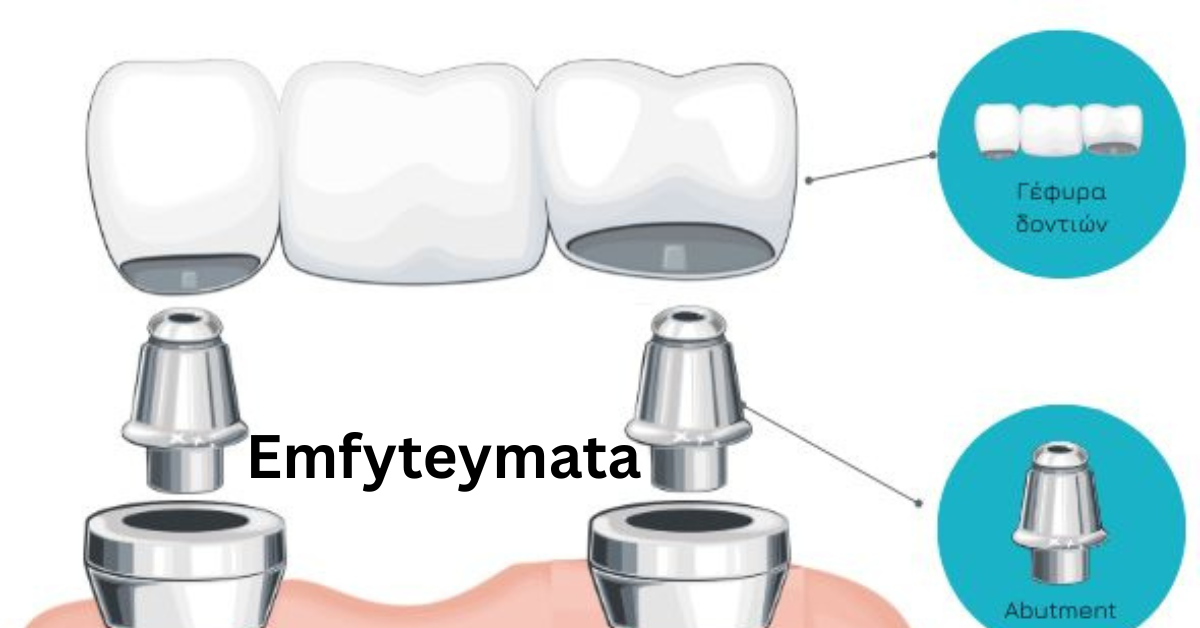
In Modern Greek, Emfyteymata most commonly refers to medical implants rather than property law. Healthcare professionals use the term to describe artificial devices surgically placed inside the human body to restore function, improve appearance, or replace damaged structures.
Medical technology has significantly expanded the range of implants available today. These devices are carefully engineered to work safely with human tissues while providing long-term support for patients.
Examples include:
Dental implants
Orthopedic implants
Cochlear implants
Cardiac implants
Breast implants
Joint replacement devices
Advances in biomaterials, surgical techniques, and medical research have made implants increasingly reliable, allowing millions of patients worldwide to benefit from improved mobility, hearing, oral health, and overall quality of life.
Linguistic and Cultural Importance
Language often preserves history, and Emfyteymata provides an excellent example of how words evolve while maintaining their original meaning. The concept of “implanting” continues to appear across literature, philosophy, and cultural discussions because it effectively describes ideas that become permanently established within individuals or communities.
Writers and scholars frequently use the term metaphorically when discussing traditions, social values, education, and inherited beliefs. In these contexts, it represents concepts that take root over time and continue influencing future generations.
This symbolic interpretation demonstrates the flexibility of the Greek language and highlights the enduring relationship between words, culture, and historical development.
Modern Applications Across Different Fields
Although the meaning varies by context, Emfyteymata continues to be relevant across several academic and professional disciplines. Understanding these applications helps avoid confusion when encountering the term in research or publications.
Common areas where the term appears include:
Ancient Greek language studies
Roman legal history
Civil property law
Dentistry
Orthopedic medicine
Medical implant technology
Philosophy
Cultural studies
Historical linguistics
Each field applies the word differently while preserving its central concept of something intentionally implanted or firmly established.
Important Facts About Emfyteymata
| Aspect | Details |
|---|---|
| Greek spelling | εμφυτεύματα |
| Literal meaning | Things implanted or implants |
| Language origin | Ancient Greek |
| Root verb | Emfytevo (to plant or implant) |
| Historical association | Agriculture and philosophy |
| Legal significance | Connected with emphyteusis land rights |
| Medical meaning | Artificial devices implanted in the body |
| Primary modern usage | Dental and medical implants in Greek |
| Related disciplines | Law, medicine, linguistics, history, philosophy |
| Symbolic meaning | Deeply rooted ideas, beliefs, and traditions |
Common Misconceptions
Many online discussions treat the term as having only one definition, leading to misunderstandings. Some articles describe it exclusively as a legal concept, while others focus only on medical implants. In reality, both interpretations are correct depending on the context.
Another misconception is that the legal and medical meanings are unrelated. They actually share the same linguistic origin, both deriving from the broader Greek concept of something permanently established within another object or environment. Recognizing this shared foundation helps explain why the same word appears in entirely different academic fields.
Readers should therefore consider the surrounding context whenever they encounter the term in books, legal documents, historical research, or healthcare literature.
Conclusion
Emfyteymata represents far more than a single dictionary definition. Originating in Ancient Greek, the term has evolved across centuries while maintaining its fundamental idea of something implanted or firmly established. Its influence can be seen in Roman property law through emphyteusis, in modern medicine through surgical implants, and in philosophy through symbolic discussions of deeply rooted beliefs and traditions.
Understanding these multiple interpretations provides valuable insight into the history of language, legal systems, and medical terminology. Whether encountered in historical texts or contemporary healthcare discussions, the term continues to demonstrate the enduring connection between linguistic heritage and practical application.



Post Comment