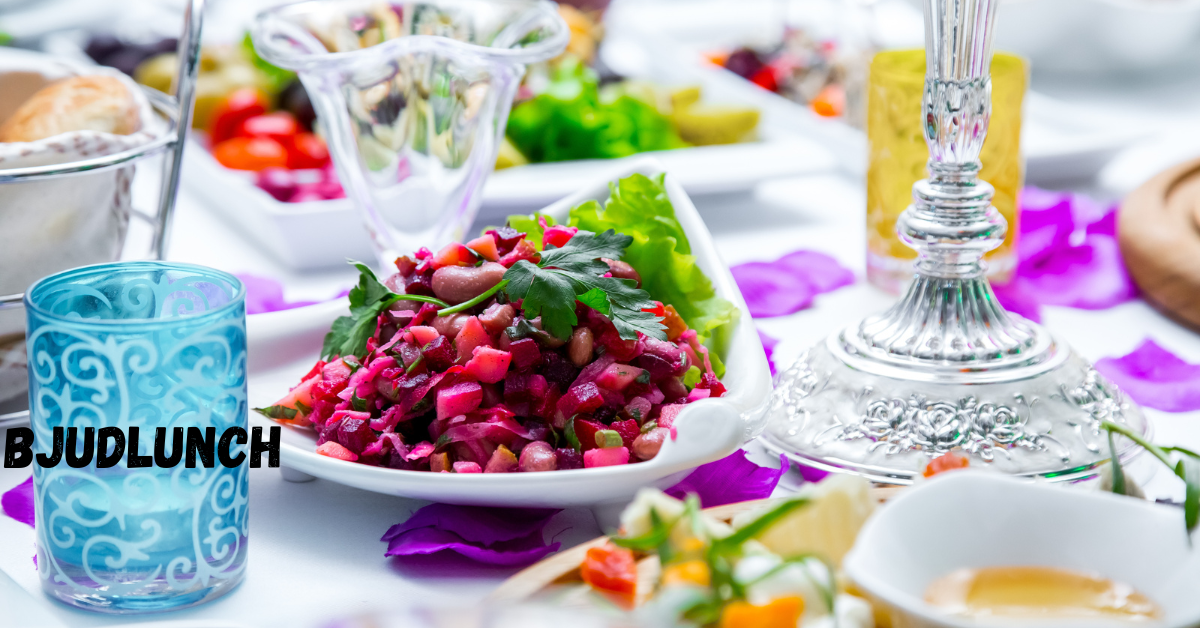
Bjudlunch: A Cultural and Social Tradition of Shared Meals in Sweden
Language often reflects the values and habits of a society, and certain words carry meanings that go beyond simple translation. One such term is “bjudlunch”, a Swedish expression that encapsulates hospitality, relationship-building, and social interaction in a uniquely Scandinavian way. While it may appear straightforward at first glance, the concept of a bjudlunch reveals much about Swedish culture, workplace dynamics, and social etiquette.
This article explores the meaning, origins, contexts, and cultural significance of bjudlunch, offering a comprehensive understanding of how a simple meal can play an important role in both personal and professional life.
Understanding the Meaning of Bjudlunch
The word bjudlunch is a compound term derived from two Swedish words:
“Bjuda” – meaning to invite or to treat someone
“Lunch” – referring to the midday meal
When combined, bjudlunch refers to a lunch where one party invites others and pays for the meal. It is essentially a hosted or complimentary lunch, but the term carries a deeper implication of intention and courtesy.
Unlike casual dining where each person pays for themselves, a bjudlunch emphasizes generosity and purposeful invitation. It signals that the host values the presence of the guests, whether for social bonding or professional engagement.
Historical and Cultural Context
Sweden is known for its balanced lifestyle, egalitarian values, and emphasis on modesty. Social customs are generally informal, yet thoughtful and respectful. In this cultural setting, a bjudlunch emerges as a natural extension of these values.
Historically, sharing food has been a universal way to strengthen relationships. In Sweden, however, the practice is often less formal than in many other countries. Instead of elaborate dinners or ceremonial gatherings, Swedes often prefer simple, efficient, and meaningful interactions—and lunch fits perfectly into this pattern.
The concept also aligns with Sweden’s emphasis on:
Work-life balance
Open communication
Equality in social and professional relationships
A bjudlunch is therefore not just about eating together; it is about creating a comfortable space for dialogue and connection.
Bjudlunch in Professional Settings
One of the most common uses of bjudlunch is in the workplace. It serves as an effective tool for communication and collaboration without the pressure of a formal meeting.
Business Meetings
Companies often host bjudlunches to:
Discuss partnerships or deals
Meet potential clients
Strengthen existing business relationships
The relaxed environment of a lunch setting encourages open and honest conversation, making it easier to build trust.
Employee Engagement
Employers may invite their teams to a bjudlunch as a way to:
Show appreciation for hard work
Celebrate achievements
Foster team cohesion
Such gestures can improve morale and create a more positive workplace culture.
Recruitment and Networking
Organizations sometimes arrange bjudlunches for:
Job candidates during interviews
Networking events
Intern or student outreach programs
In these cases, the lunch acts as a bridge between formal evaluation and personal interaction, allowing both sides to connect more naturally.
Social Uses of Bjudlunch
Beyond the professional sphere, bjudlunch plays a significant role in everyday social life.
Among Friends and Family
It is common for individuals to invite friends or relatives to a bjudlunch to:
Celebrate birthdays or milestones
Spend quality time together
Express gratitude or kindness
In such settings, the act of paying for the meal is seen as a gesture of goodwill and generosity.
Casual Hospitality
A bjudlunch does not have to be elaborate. It could be:
A simple meal at a local café
A homemade lunch invitation
A spontaneous outing where one person decides to treat the others.
The focus is less on the cost and more on the intent behind the invitation.
Etiquette and Expectations
Understanding the etiquette surrounding a bjudlunch is important, especially for those unfamiliar with Swedish customs.
The Host’s Role
The person who invites others:
Takes responsibility for paying the bill
Chooses the venue or makes arrangements
Ensures that guests feel comfortable
The Guest’s Role
Guests are expected to:
Accept the invitation graciously
Show appreciation
Engage in conversation
While the host pays, it is considered polite for guests to express thanks or reciprocate in the future.
Informality
Unlike in some cultures where hosting a meal can involve strict rules, a bjudlunch is generally:
Relaxed
Informal
Focused on interaction rather than ceremony
Economic and Practical Aspects
From a practical standpoint, a bjudlunch is often a cost-effective and time-efficient way to connect with others. Lunch meetings typically:
Take place during working hours
Require less planning than evening events
Are shorter and more focused
This makes them particularly suitable for Sweden’s structured yet flexible work culture.
Comparison with Similar Concepts
Although the idea of treating someone to a meal exists worldwide, bjudlunch has its own distinct character.
In some countries, business meals are formal and hierarchical.
In Sweden, a bjudlunch tends to be equal and conversational, reflecting the country’s low power-distance culture.
This difference highlights how cultural context shapes even the simplest social practices.
Modern Relevance
In today’s fast-paced world, the concept of bjudlunch remains highly relevant. It adapts easily to modern lifestyles and continues to serve as a valuable tool for:
Building relationships
Encouraging collaboration
Maintaining social connections
Even with the rise of digital communication, face-to-face interactions over a shared meal retain their importance.
Conclusion
Bjudlunch is more than just a lunch invitation—it is a reflection of Swedish values such as generosity, equality, and meaningful interaction. Whether in a business context or among friends, it provides an opportunity to connect in a relaxed and genuine way.
By combining simplicity with intention, the concept demonstrates how everyday actions, like sharing a meal, can carry significant social and cultural meaning. In understanding bjudlunch, one gains insight not only into a word but into a way of life that prioritizes connection, respect, and balance.



Post Comment