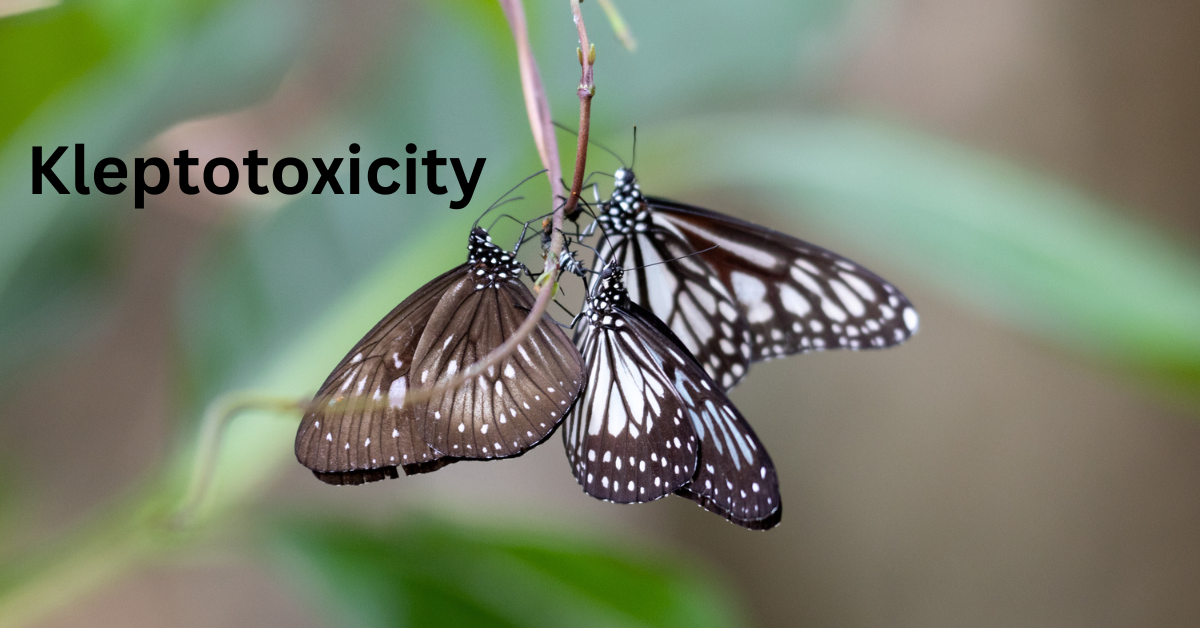
Kleptotoxicity: Understanding Nature’s Strategy of Borrowed Chemical Defense
Kleptotoxicity is one of the most fascinating survival strategies found in the natural world. Rather than producing poisonous compounds on their own, certain animals obtain toxic chemicals from the organisms they consume and store these substances for protection. This remarkable adaptation has attracted the attention of ecologists, marine biologists, and evolutionary scientists because it demonstrates how species can evolve efficient defense mechanisms without investing energy in manufacturing toxins themselves.
The concept is closely associated with chemical ecology, a branch of science that examines how organisms use naturally occurring compounds to interact with their environment. From brightly colored sea slugs to poison frogs and specialized snakes, numerous species have evolved the ability to acquire defensive chemicals through their diet. These toxins discourage predators, improve survival, and influence ecological relationships across many ecosystems.
Studying Kleptotoxicity provides valuable insights into predator-prey interactions, evolutionary adaptation, and biodiversity. Researchers continue to discover new examples of this phenomenon, helping expand our understanding of how organisms use chemical defenses to thrive in challenging environments.
What Is Kleptotoxicity?
Kleptotoxicity refers to the biological process in which an organism acquires toxic or defensive chemicals from another organism and stores them for its own protection. Instead of synthesizing harmful substances internally, the organism “borrows” these compounds through feeding, making it less vulnerable to predators.
The word combines the Greek term klepto, meaning “to steal,” with toxicos, meaning poison. Although the name may sound unusual, the process itself is well documented in scientific literature, particularly among marine invertebrates, insects, amphibians, and certain reptiles.
Unlike venom production, which requires specialized glands and significant metabolic resources, this strategy allows organisms to conserve energy while benefiting from potent natural compounds already present in their prey.
How the Process Works
The biological mechanism behind Kleptotoxicity is highly selective. After consuming toxic prey, the organism does not simply retain every chemical it ingests. Instead, specialized physiological systems identify useful defensive compounds, transport them through the body, and safely store them in tissues or glands without causing self-harm.
Once stored, these chemicals remain available whenever the animal encounters predators. Some species release the toxins through skin secretions, while others display warning colors that signal their chemical defenses before an attack even occurs. This combination of chemical protection and visual warning often reduces the likelihood of predation.
Scientists believe this adaptation evolved gradually through natural selection, favoring individuals capable of safely handling toxic compounds while gaining a significant survival advantage.
Animals That Use Borrowed Chemical Defenses
Many species demonstrate this remarkable adaptation, particularly those living in environments where toxic prey are abundant.
Among marine animals, nudibranchs are perhaps the best-known example. These colorful sea slugs consume toxic sponges, hydroids, and soft corals, storing defensive chemicals within their bodies to deter fish and other predators.
Poison dart frogs also rely heavily on dietary toxins. In their natural habitats, they consume ants, mites, and beetles that contain alkaloid compounds. Studies have shown that captive frogs raised without these dietary sources lose much of their toxicity, highlighting the importance of nutrition in chemical defense.
Certain leaf beetles accumulate defensive compounds from host plants, while sea hares obtain protective chemicals from marine algae. The tiger keelback snake is another fascinating example, storing toxins acquired from poisonous toads within specialized neck glands that discourage predators from attacking.
Some well-known examples include:
Nudibranch sea slugs
Poison dart frogs
Leaf beetles
Sea hares
Tiger keelback snakes
Ecological Importance
Kleptotoxicity plays an important role in maintaining ecological balance. Chemical defenses influence predator behavior, alter feeding patterns, and contribute to the evolution of both predators and prey. Predators often learn to avoid brightly colored animals associated with unpleasant or harmful chemical compounds, reducing unnecessary conflict and supporting species diversity.
This adaptation also encourages specialization within ecosystems. Animals capable of safely consuming toxic prey gain access to food sources unavailable to many competitors, allowing them to occupy unique ecological niches.
Over long evolutionary timescales, these interactions drive co-evolution, where prey evolve stronger chemical defenses while predators develop improved strategies for detecting or tolerating toxins.
Evolutionary Advantages
From an evolutionary perspective, acquiring toxins from dietary sources offers several important benefits. Producing complex chemical compounds internally requires considerable energy and specialized biochemical pathways. By utilizing toxins already available in nature, organisms can allocate more resources toward growth, reproduction, and survival.
The strategy also provides flexibility. When toxic prey are abundant, organisms can strengthen their defenses without developing entirely new physiological systems. This efficient use of environmental resources illustrates how evolution often favors solutions that maximize survival while minimizing biological costs.
Key advantages include:
Reduced metabolic energy requirements
Improved defense against predators
Increased survival opportunities
Better reproductive success
Access to specialized ecological niches
Scientific Research and Modern Applications
Modern research on Kleptotoxicity extends far beyond ecological observation. Scientists investigate how organisms safely transport, modify, and store toxic compounds, hoping to better understand cellular resistance mechanisms and natural biochemical pathways.
Advanced technologies such as mass spectrometry, metabolomics, molecular genetics, and chemical analysis allow researchers to identify the exact origin of defensive compounds and trace their movement through an organism’s body. These discoveries contribute to broader fields including pharmacology, toxicology, conservation biology, and natural product chemistry.
Some naturally occurring compounds studied in chemically defended organisms have also inspired pharmaceutical research, demonstrating that understanding biological defense strategies may eventually contribute to future medical discoveries.
Kleptotoxicity vs. Natural Toxin Production
Although both approaches protect organisms from predators, there are important biological differences between borrowed toxins and internally synthesized poisons.
| Feature | Kleptotoxicity | Natural Toxin Production |
|---|
| Source of toxins | Acquired from prey or diet | Produced by the organism |
| Energy requirement | Relatively low | Comparatively high |
| Dependence on food | Essential | Not required |
| Biological complexity | Storage and transport | Synthesis and storage |
| Common examples | Sea slugs, frogs, beetles | Snakes, spiders, scorpions |
Related Concepts in Chemical Ecology
Researchers often discuss Kleptotoxicity alongside several closely related biological concepts because they all involve interactions between organisms and naturally occurring chemical compounds.
Chemical sequestration describes the storage of compounds obtained from food, while chemical defense refers broadly to any protective use of naturally occurring chemicals. Another related phenomenon is kleptoplasty, where organisms steal chloroplasts from algae instead of toxins. Kleptocnidy is also noteworthy, involving the theft of stinging cells from cnidarians for defensive purposes.
Understanding these related adaptations helps scientists appreciate the remarkable diversity of survival strategies that have evolved across marine and terrestrial ecosystems.
Important Facts About Kleptotoxicity
| Aspect | Details |
| Scientific Field | Ecology, Evolutionary Biology, Chemical Ecology |
| Primary Function | Defense against predators |
| Source of Chemicals | Toxic prey or host organisms |
| Main Benefit | Energy-efficient chemical protection |
| Common Animal Groups | Marine invertebrates, insects, amphibians, reptiles |
| Research Areas | Biodiversity, toxicology, pharmacology, ecology |
| Evolutionary Role | Improves survival and adaptation |
| Related Concepts | Chemical sequestration, defensive compounds, predator deterrence |
Conclusion
Kleptotoxicity represents one of nature’s most efficient and sophisticated defensive strategies. By acquiring toxic compounds from dietary sources rather than producing them internally, certain organisms gain powerful protection while conserving valuable metabolic resources. This adaptation highlights the remarkable creativity of evolution and demonstrates how survival can depend on ecological relationships as much as physical characteristics.
Ongoing scientific research continues to reveal new examples of this phenomenon and deepen our understanding of chemical ecology, biodiversity, and evolutionary biology. As analytical technologies advance, the study of borrowed chemical defenses is expected to provide even greater insights into ecosystem function and may contribute to future discoveries in medicine, toxicology, and conservation science.




Post Comment