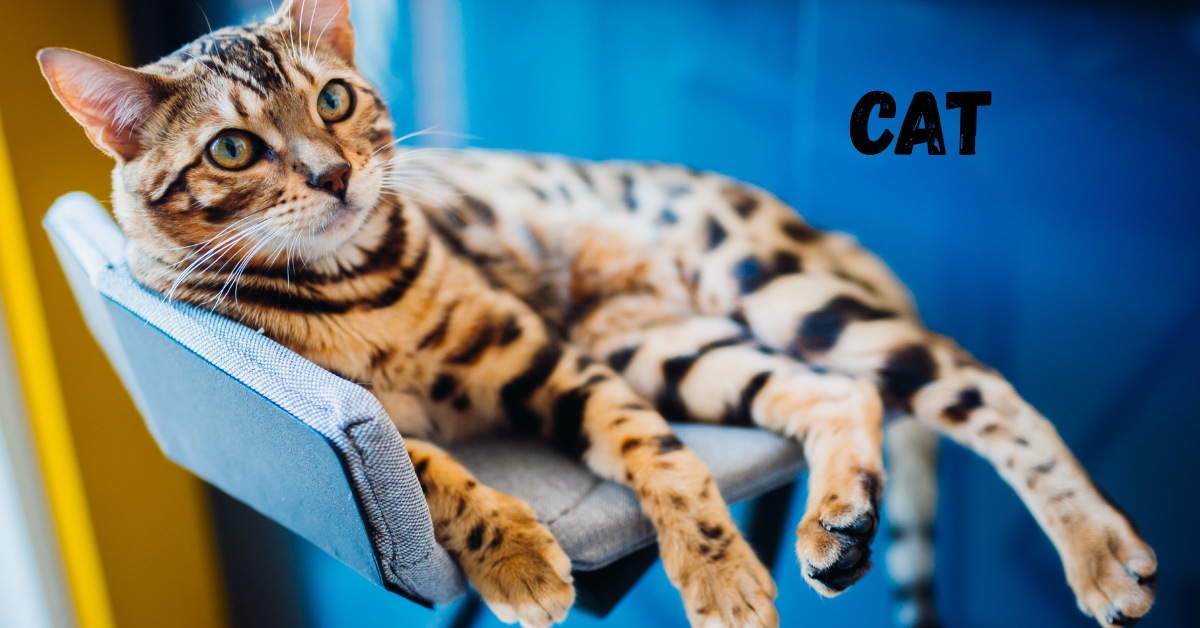
Cat: A Comprehensive and Informative Overview
The cat, scientifically known as Felis catus, is one of the most widely kept domestic animals in the world. Known for its grace, intelligence, and independence, the cat has shared a close relationship with humans for thousands of years. From ancient civilizations to modern households, cats have remained both practical companions and objects of fascination.
Origins and Domestication
The domestication of cats is believed to have begun around 9,000 years ago in the Near East, where early agricultural societies stored grains that attracted rodents. Wildcats, particularly the African wildcat (Felis lybica), were naturally drawn to these settlements because of the abundant prey. Over time, a mutually beneficial relationship developed: humans gained pest control, while cats gained a reliable food source.
Cats later gained cultural and spiritual significance in ancient Egypt, where they were revered and protected. The goddess Bastet, often depicted with a cat’s head, symbolized home, fertility, and protection. Killing a cat, even accidentally, was considered a serious offense in ancient Egyptian society.
Physical Characteristics
Cats are small, carnivorous mammals belonging to the family Felidae. Despite their small size, they share many traits with their larger relatives such as lions and tigers.
Key physical features include:
Flexible skeletal structure: Cats have a highly flexible spine and no rigid collarbone, allowing them to squeeze through tight spaces and land gracefully.
Retractable claws: These claws remain sharp because they are hidden when not in use, aiding in hunting and climbing.
Keen senses: Cats possess exceptional hearing and vision, particularly in low-light conditions. Their night vision is significantly better than that of humans.
Whiskers (vibrissae): These specialized hairs help cats detect nearby objects and navigate in darkness.
Sharp dentition: Designed for tearing flesh, their teeth reflect their carnivorous nature.
Cats vary widely in coat color, pattern, and length, depending on breed and genetics.
Behavior and Temperament
Cats are often described as independent, but their behavior is complex and varies greatly between individuals. Many cats form strong emotional bonds with their owners and can display affection through behaviors such as purring, rubbing, and following their human companions.
Common behavioral traits include:
Territoriality: Cats establish and defend their territory using scent marking and body language.
Grooming habits: They spend a significant portion of their day grooming, which helps regulate body temperature and maintain hygiene.
Hunting instinct: Even well-fed domestic cats often chase and capture prey such as insects or small animals.
Communication: Cats communicate through vocalizations (meowing, purring, hissing), body posture, and facial expressions.
While some cats are social and enjoy interaction, others prefer solitude. Their adaptability allows them to thrive in both active households and quieter environments.
Diet and Nutritional Needs
Cats are obligate carnivores, meaning their bodies are biologically designed to rely on nutrients found in animal tissue. Unlike omnivores, they cannot synthesize certain essential nutrients on their own.
Important dietary components include:
Protein: Vital for muscle maintenance and energy
Taurine: An essential amino acid crucial for heart and eye health
Fats: Provide energy and support skin and coat health
Vitamins and minerals: Necessary for overall bodily functions
A balanced diet is essential, and improper nutrition can lead to serious health issues.
Lifespan and Health
The average lifespan of a domestic cat ranges from 12 to 18 years, though many cats live well into their 20s with proper care.
Common health concerns include:
Obesity, often due to overfeeding and lack of exercise
Dental disease, which can affect eating and overall health
Kidney disease, especially in older cats
Parasitic infections, such as fleas and worms
Routine veterinary care, vaccinations, and preventative treatments are critical in maintaining a cat’s health and longevity.
Breeds and Diversity
There are numerous recognized cat breeds, each with unique physical and behavioral traits. Some well-known breeds include:
Persian cat: Known for its long, luxurious coat and calm temperament
Siamese cat: Recognized for its vocal nature and striking blue eyes
Maine Coon: One of the largest breeds, known for its friendly personality.
In addition to purebred cats, mixed-breed or domestic cats are the most common and display a wide range of characteristics.
Role in Human Society
Cats have played multiple roles throughout history and continue to be important in modern life:
Companionship: Cats provide emotional support and comfort to millions of people worldwide.
Pest control: Their natural hunting instincts help control populations of rodents and insects.
Cultural influence: Cats appear in literature, folklore, art, and modern digital media, often symbolizing mystery, independence, or luck.
In recent years, cats have become prominent figures in online culture, contributing to their global popularity.
Interesting Facts
Cats can jump up to six times their body length in a single leap.
They spend about two-thirds of their lives sleeping.
A cat’s nose print is unique, similar to a human fingerprint.
They can make over 100 different sounds, far more than dogs.
Conclusion
The cat is a remarkable animal that combines elegance, independence, and adaptability. Its long-standing relationship with humans has evolved from a practical partnership into a deep emotional bond. Whether admired for their hunting skills, cherished as companions, or celebrated in culture, cats continue to hold a unique and enduring place in human society.
Their ability to thrive in diverse environments, coupled with their intriguing behavior and affectionate nature, ensures that they remain one of the most beloved animals in the world.




Post Comment