Coriander: A Comprehensive Guide to Its Uses, Benefits, and Cultural Significance
Coriander, scientifically known as Coriandrum sativum, is one of the most widely used herbs in the world. Appreciated for both its fresh leaves and dried seeds, coriander holds a unique place in culinary traditions, natural medicine, and agricultural practices. Its versatility, combined with a rich nutritional profile, makes it an essential ingredient in kitchens and a subject of growing interest in health and wellness discussions.
This article explores coriander in depth, covering its botanical characteristics, historical background, nutritional value, health benefits, culinary applications, and potential precautions.
Botanical Overview
Coriander belongs to the Apiaceae family, which includes other well-known plants such as parsley, celery, and carrots. It is an annual herb that grows to a height of about 30 to 50 centimeters. The plant features delicate, feathery leaves and small white or pale pink flowers that eventually produce round seeds.
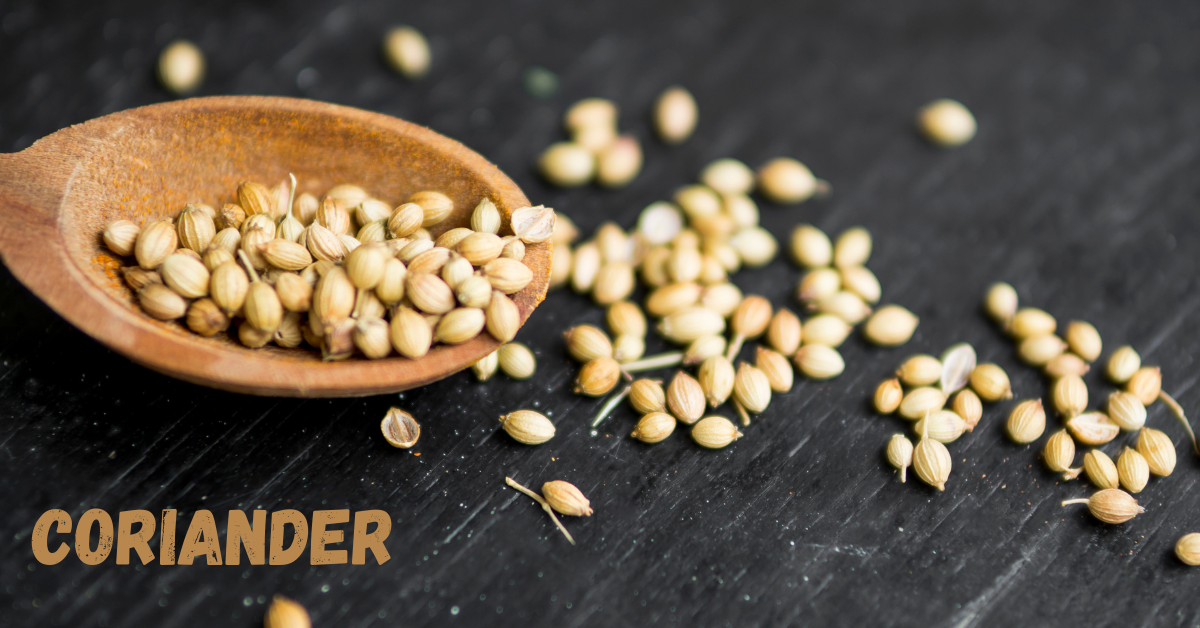
Interestingly, different parts of the plant are referred to by different names. The fresh green leaves are commonly known as cilantro, while the dried seeds are called coriander seeds. Despite coming from the same plant, these components have distinctly different flavors. The leaves are bright, citrusy, and slightly pungent, whereas the seeds have a warm, nutty, and slightly sweet taste.
Historical Background and Global Spread
Koriander has a long and fascinating history that dates back thousands of years. Archaeological evidence suggests that it was cultivated as early as ancient Egyptian times, where it was even found in the tomb of Tutankhamun. The herb was also mentioned in ancient Sanskrit texts and used in early Greek and Roman cuisines.
Over time, coriander spread across continents through trade and migration. It became deeply integrated into the culinary traditions of regions such as India, China, the Middle East, and parts of Europe. Today, it is cultivated globally, with major production in Asia and North Africa.
Its adaptability to different climates and soils has contributed to its widespread availability and use.
Nutritional Composition
Coriander is not only valued for its flavor but also for its impressive nutritional profile. Both the leaves and seeds contain essential vitamins and minerals that support overall health.
Fresh coriander leaves are rich in:
- Vitamin A, which supports vision and immune function
- Vitamin C, known for its antioxidant properties
- Vitamin K, essential for blood clotting and bone health
They also contain small amounts of calcium, potassium, and magnesium.
Coriander seeds, on the other hand, are a good source of dietary fiber, iron, and various bioactive compounds such as flavonoids and phenolic acids. These compounds contribute to the plant’s antioxidant and anti-inflammatory properties.
Health Benefits
One of the most well-known benefits of coriander is its positive effect on digestion. The seeds are often used to stimulate appetite and promote the production of digestive enzymes. They can help alleviate symptoms such as bloating, gas, and indigestion. In traditional medicine systems, coriander is frequently used as a natural remedy for gastrointestinal discomfort.
Digestive Support
One of the most well-known benefits of coriander is its positive effect on digestion. The seeds are often used to stimulate appetite and promote the production of digestive enzymes. They can help alleviate symptoms such as bloating, gas, and indigestion. In traditional medicine systems, coriander is frequently used as a natural remedy for gastrointestinal discomfort.
Cardiovascular Health
Coriander may contribute to heart health by helping regulate cholesterol levels. Some studies suggest that it can reduce low-density lipoprotein (LDL) cholesterol while increasing high-density lipoprotein (HDL) cholesterol. Additionally, its potassium content supports healthy blood pressure levels by balancing sodium in the body.
Blood Sugar Regulation
There is growing evidence that coriander may help in managing blood sugar levels. Compounds found in the seeds are believed to enhance insulin secretion and improve glucose metabolism. This makes coriander a potentially beneficial dietary addition for individuals dealing with Type 2 Diabetes, although it should not replace medical treatment.
Anti-Inflammatory and Antioxidant Effects
Coriander contains a variety of antioxidants that help combat oxidative stress caused by free radicals. This activity may reduce inflammation in the body and lower the risk of chronic diseases. The presence of compounds like quercetin and tocopherols contributes to these protective effects.
Skin and Hair Health
The antimicrobial and antifungal properties of coriander make it useful in promoting skin health. It may help manage conditions such as acne, rashes, and minor infections. In some traditional practices, coriander extracts are used to soothe irritated skin and improve complexion.
For hair, coriander is sometimes included in herbal treatments aimed at strengthening roots and promoting growth, although scientific evidence in this area is still limited.
Detoxification and Heavy Metal Removal
Coriander has been studied for its potential ability to bind with certain heavy metals and assist in their removal from the body. While research is ongoing, this property has led to its inclusion in various detox diets and natural cleansing regimens.
Culinary Applications
Coriander is an essential ingredient in many global cuisines, offering both flavor and aroma.
Fresh Leaves
The leaves are commonly used as a garnish or flavor enhancer. They are added to salads, soups, curries, and sauces. Their bright, citrus-like flavor complements a wide range of dishes.
In Indian cuisine, fresh coriander is frequently used in chutneys and as a finishing touch for curries and rice dishes. In Mexican cuisine, it is a key ingredient in salsas and guacamole. Middle Eastern dishes also rely heavily on coriander for its fresh and aromatic qualities.
Seeds and Powder
Coriander seeds are often used whole or ground into powder. They are a common component of spice blends such as garam masala and curry powder. When toasted, the seeds release a deeper, more complex flavor that enhances both vegetarian and meat-based dishes.
Coriander powder is widely used in marinades, soups, and stews. It pairs well with spices like cumin, turmeric, and chili, creating a balanced and flavorful profile.
Agricultural Importance
Coriander is relatively easy to cultivate, making it a popular crop among farmers and home gardeners alike. It grows best in cool climates with well-drained soil and requires moderate sunlight. The plant has a short growing cycle, typically maturing within a few weeks.
In countries like Pakistan and India, coriander is grown both for domestic consumption and export. Its economic importance is significant, especially in regions where spices form a major part of agricultural trade.
Cultural and Traditional Uses
Coriander has been used in traditional medicine systems for centuries. In Ayurveda, it is believed to balance bodily functions and support digestion. It is often used in herbal teas and remedies aimed at cooling the body and reducing inflammation.
In other cultures, coriander has been associated with symbolic meanings, including love and protection. Ancient texts and folklore sometimes mention it as an ingredient in rituals and potions.
Potential Side Effects and Precautions
While coriander is generally safe for most people, there are a few considerations to keep in mind.
Some individuals may experience allergic reactions, particularly when consuming large amounts. Symptoms can include itching, swelling, or respiratory discomfort.
Coriander may also have a mild blood sugar-lowering effect, which could interact with medications used to treat diabetes. Similarly, its potential to lower blood pressure may affect individuals taking antihypertensive drugs.
Pregnant and breastfeeding women should consume coriander in moderation and consult a healthcare professional if considering medicinal use.
Conclusion
Coriander is far more than a simple herb. Its rich history, diverse applications, and wide range of health benefits make it a valuable addition to both culinary and medicinal practices. From ancient civilizations to modern kitchens, coriander continues to play a vital role in enhancing flavor and supporting well-being.
Its adaptability, accessibility, and nutritional value ensure that it remains a staple ingredient across cultures and generations. Whether used fresh as a garnish or ground into a spice, coriander exemplifies how a single plant can offer remarkable versatility and significance in everyday life.




Post Comment